It began with a short news report.
A brief report about the murder of the Clutter family published in The New York Times caught Capote's attention and eventually led him to Holcomb.
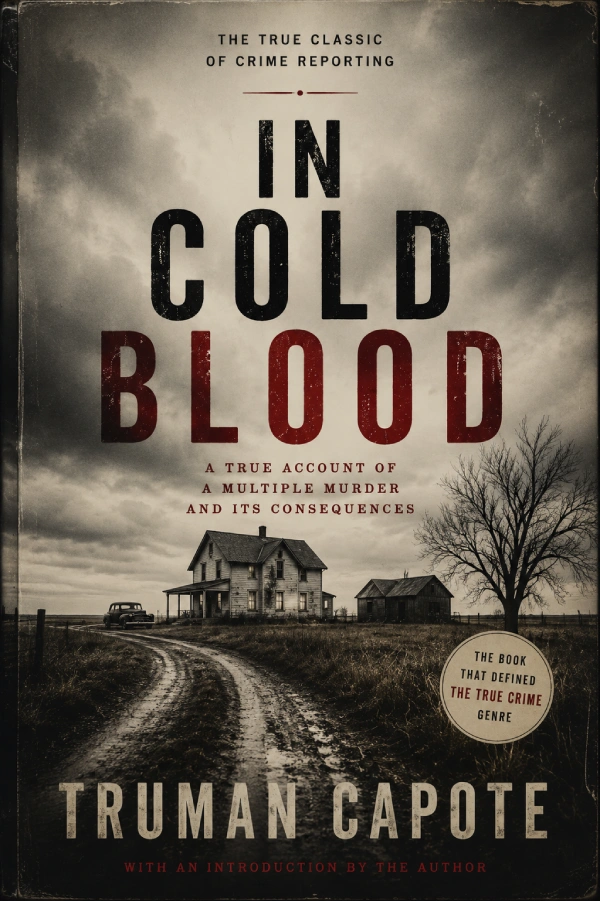
An investigation into a real murder that becomes a disturbing study of violence, memory, personality, and the very nature of telling a true story.
In November 1959, the small community of Holcomb, Kansas, was shaken by the murder of the Clutter family. Truman Capote took the case as the starting point for an investigation that would go far beyond a simple reconstruction of a crime.
Through years of research, interviews, and observation, Capote reconstructed the events, followed the investigation, and explored the lives of victims, investigators, and killers. The result was a book that combines reporting, investigation, and literary techniques.
The book that helped transform true crime into literature.KODAMA / EDITORIAL NOTE
A brief report about the murder of the Clutter family published in The New York Times caught Capote's attention and eventually led him to Holcomb.
Capote traveled to Kansas with his childhood friend Harper Lee, who helped him establish contacts and speak with local residents.
His aim was to create a literary form that used narrative techniques associated with fiction while remaining grounded in factual events.
The research and development of the work extended over several years, following both the case and the people involved.
The story of In Cold Blood crossed the boundaries of literature and reached the screen in several forms.
Directed by Richard Brooks, the film directly adapts Capote's book and follows the crime, investigation, trial, and consequences of the case.
A television adaptation of the work, produced decades after the original feature film.
Rather than directly adapting the book, the film follows Capote during his research into the case and the creation of In Cold Blood.
Another film centered on Capote's relationship with the case and the killers during his research for the book.
A visual journey through the Clutter family murders, Truman Capote's investigation, and the story that became In Cold Blood.

In Cold Blood occupies an important place in the history of literary journalism and true crime because it transformed a criminal case into a narrative deeply concerned with people, setting, investigation, and consequences.
If you decide to purchase the book through our link, you help Kodama continue bringing new stories, recommendations, and literary discoveries to the site.
Buy on Amazon The link may generate a small commission for Kodama, at no additional cost to you.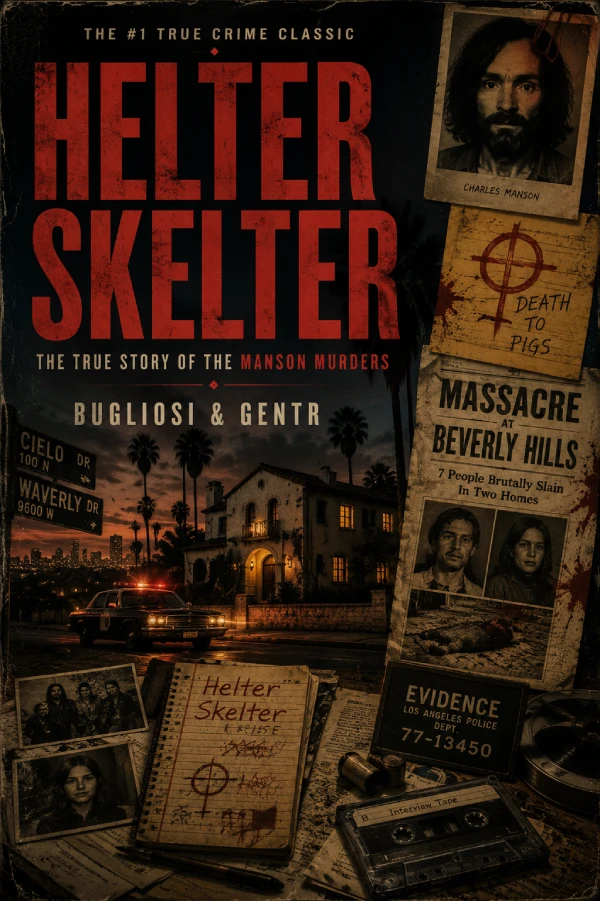
Vincent Bugliosi
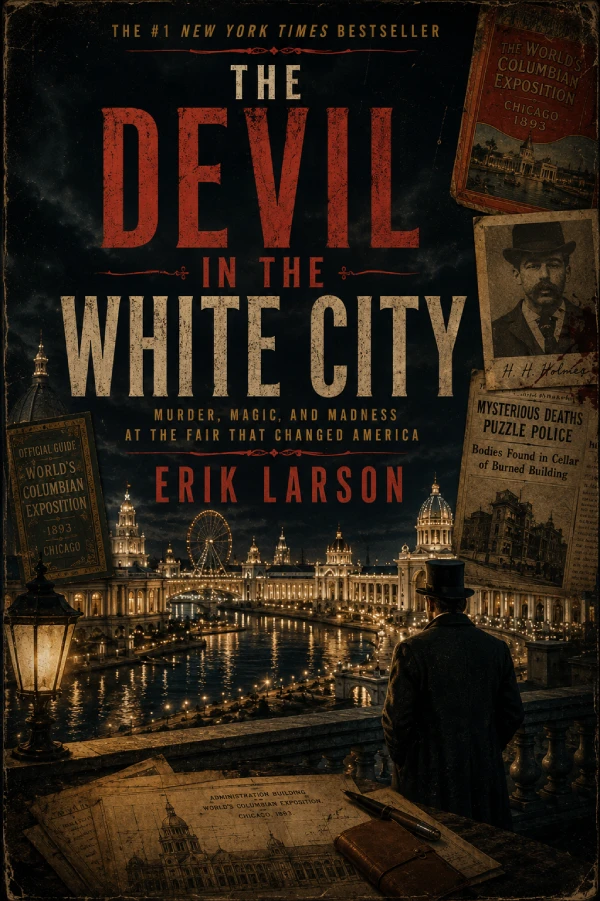
Erik Larson
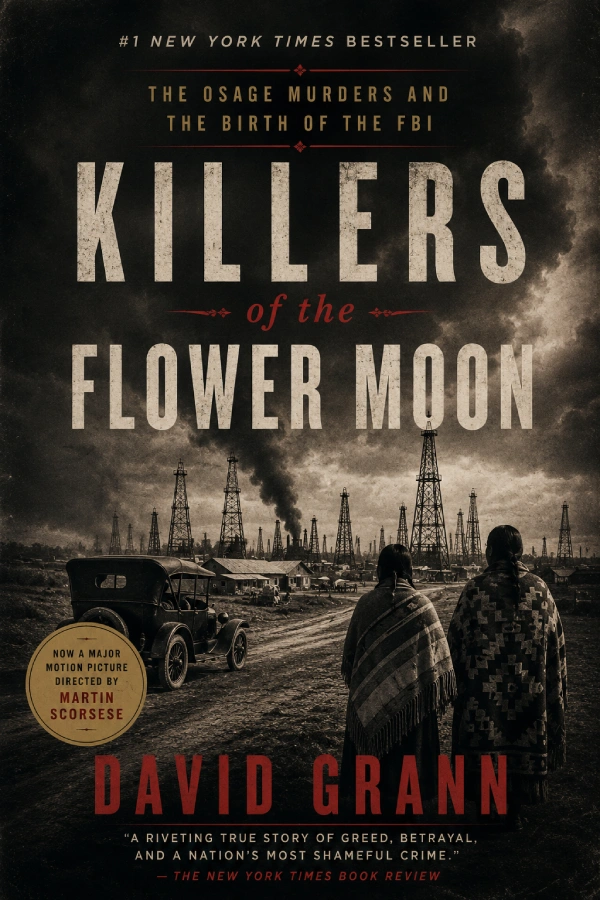
David Grann
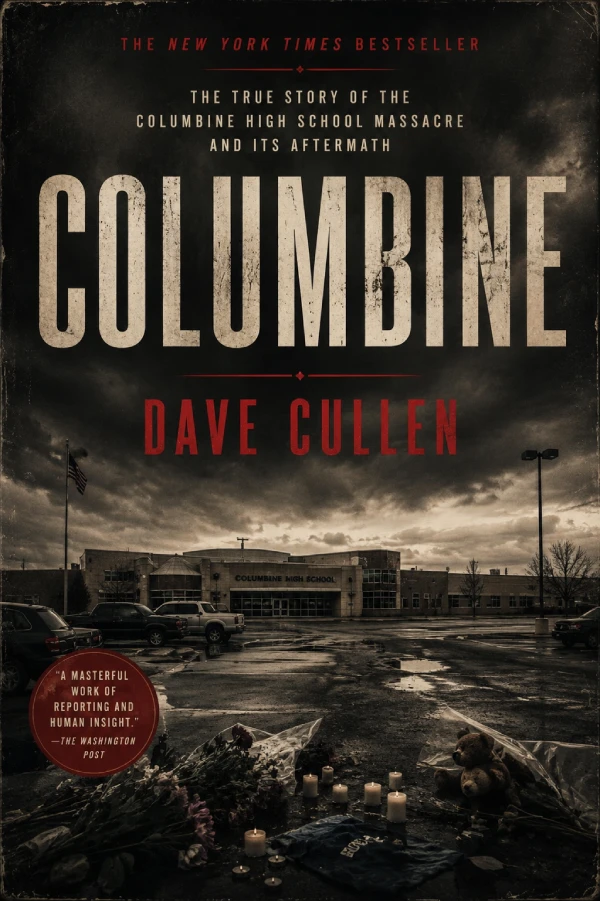
Dave Cullen
Explore the Kodama collection and discover books that cross paths with crimes, eras, people, ideas, and true stories.
Explore the collection