The Alexandre Lacassagne School.
How the Lyon school of criminology introduced rigor in autopsies, ballistics, and crime scene documentation.
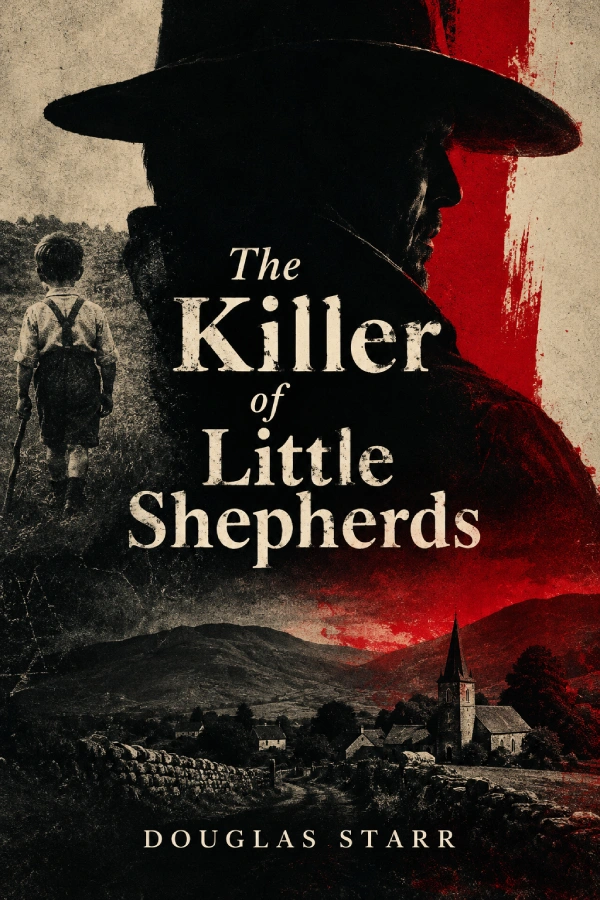
A riveting historical narrative exploring the terror wrought by Joseph Vacher — the "French Ripper" — and the birth of modern forensic science led by pioneering criminologist Dr. Alexandre Lacassagne in late 19th-century France.
In the late 1890s, Joseph Vacher terrorized rural France, wandering the countryside to assault and murder young shepherd boys and girls. With no centralized police database or modern investigative techniques, catching a nomadic killer was nearly impossible.
Douglas Starr tells the dual story of Vacher's bloody trail and the brilliant pioneers — prosecutor Émile Fourquet and Dr. Alexandre Lacassagne — who forged revolutionary methods in bloodstain analysis, autopsies, and criminal profiling to bring him to justice.
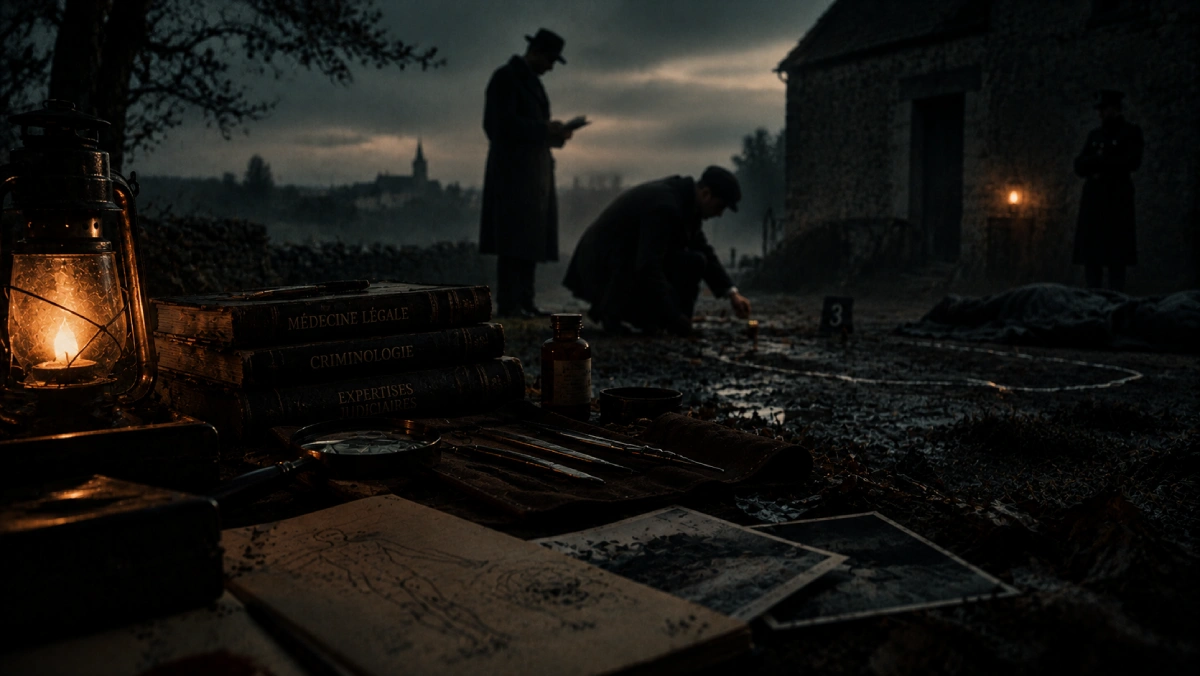
Before Lacassagne and Fourquet, crime scene investigation relied on superstition and intuition; after them, it belonged to science.KODAMA / EDITORIAL NOTE
How the Lyon school of criminology introduced rigor in autopsies, ballistics, and crime scene documentation.
Understanding the wandering killer who exploited France's vast rural countryside and lack of inter-jurisdictional communication.
Prosecutor Émile Fourquet's groundbreaking mapping of murder dates and locations to track a single perpetrator.
The fierce courtroom battle between early psychiatrists over whether Vacher was insane or legally accountable.
Douglas Starr's work received prestigious international literary awards for its contribution to crime history.
Awarded by the Crime Writers' Association as the top non-fiction true crime book of the year.
Recognized by Bouchercon for exceptional historical research and literary storytelling in mystery and crime writing.
Author Douglas Starr discusses the birth of forensic science and the pursuit of Joseph Vacher at Boston University.
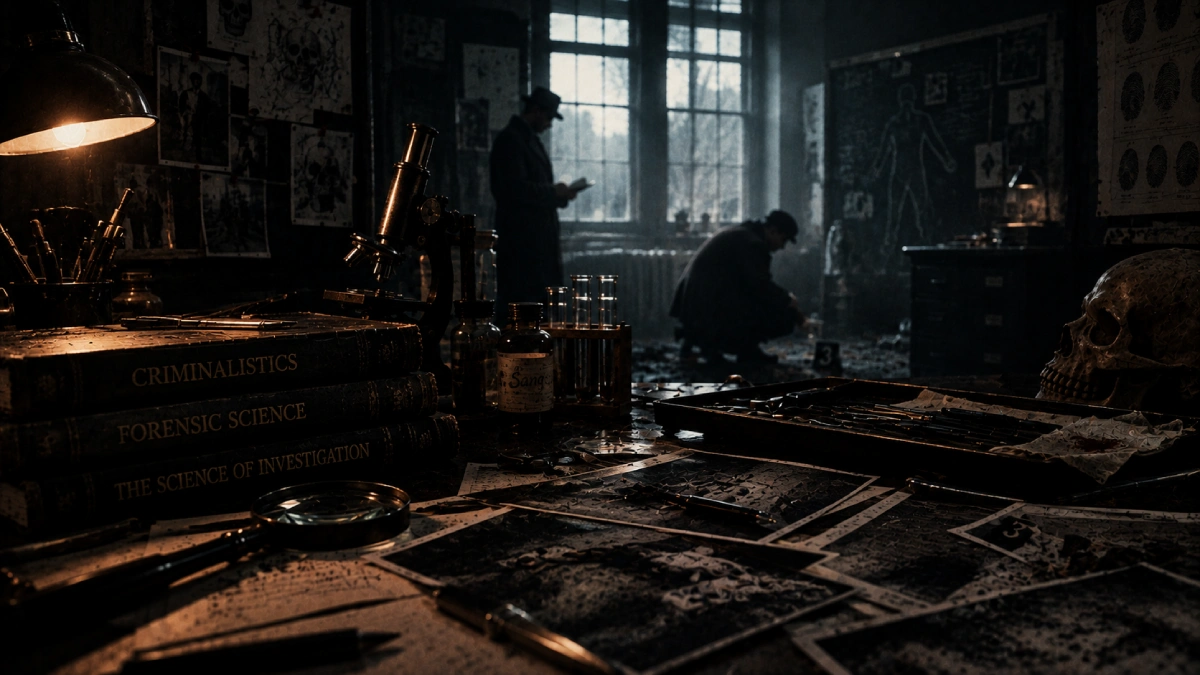
The Killer of Little Shepherds captures the exact moment when criminal investigation transitioned from guesswork to empirical science, establishing protocols still used by forensic scientists today.
If you decide to purchase the book through our link, you help Kodama continue bringing new stories, recommendations, and literary discoveries to the site.
Buy on Amazon The link may generate a small commission for Kodama, at no additional cost to you.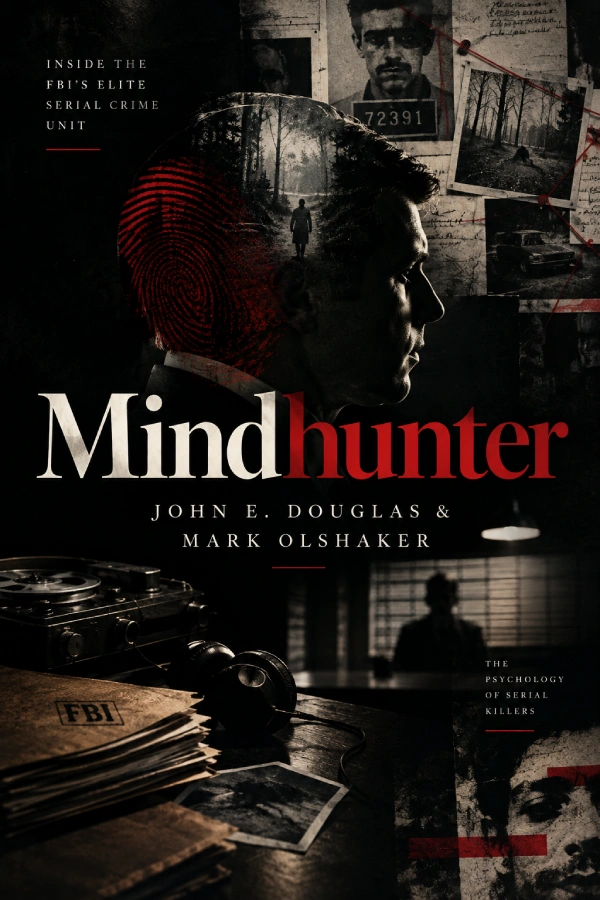
John E. Douglas & Mark Olshaker
Charles Graeber
Elizabeth Kendall
Maureen Callahan
Explore the Kodama collection and discover books that cross paths with crimes, eras, people, ideas, and true stories.
Explore the collection