Nobel Prize in Economics.
Although a psychologist by training, Kahneman won the Nobel Memorial Prize in Economic Sciences for integrating psychological research into economic science.
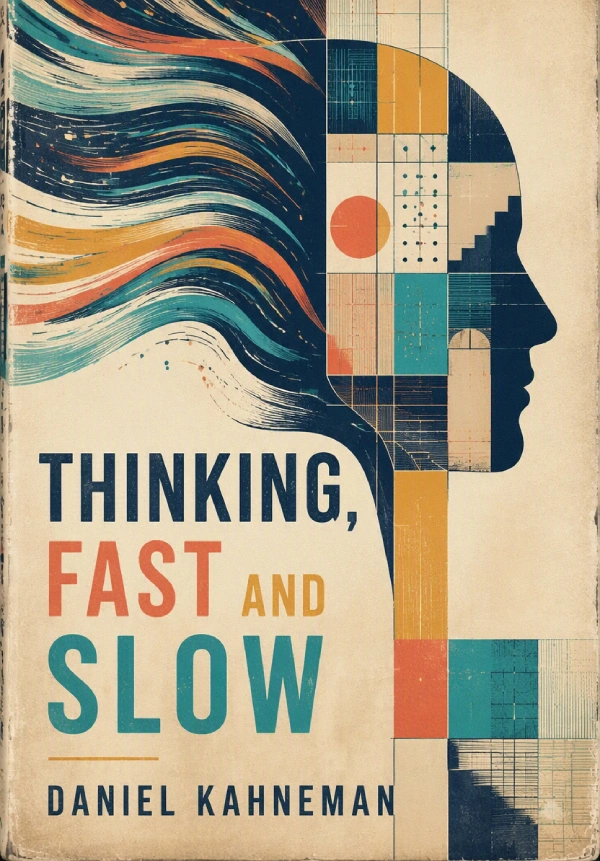
A masterwork on human judgment and decision-making, revealing how two distinct systems in the brain dictate our choices, illusions, and cognitive biases.
Daniel Kahneman summarizes decades of research conducted alongside Amos Tversky, explaining that our minds operate under two systems: System 1 is fast, intuitive, and emotional; System 2 is slow, deliberate, and logical.
By exposing the hidden biases, overconfidence, and cognitive shortcuts that influence everything from financial investments to daily choices, Kahneman provides an essential framework for understanding human behavior and error.

A reliable way to make people believe in falsehoods is frequent repetition, because familiarity is not easily distinguished from truth.KODAMA / EDITORIAL NOTE
Although a psychologist by training, Kahneman won the Nobel Memorial Prize in Economic Sciences for integrating psychological research into economic science.
Most of the book's core concepts were developed together with Amos Tversky, Kahneman's close collaborator who passed away before the Nobel prize could be shared.
Kahneman coined the term "What You See Is All There Is" to describe how System 1 jumps to conclusions based solely on readily available evidence.
The book sold millions of copies worldwide and fundamentally reshaped policy-making, marketing, finance, and sports analytics.
Core concepts popularized by Kahneman that redefined cognitive psychology.
The contrast between fast, unconscious intuition and slow, conscious analytical effort.
A comprehensive overview of Daniel Kahneman's revolutionary work on the human mind.

Thinking, Fast and Slow dismantled the traditional economic assumption that humans act as purely rational decision-makers. By illuminating our cognitive blind spots, Kahneman gave the world tools to think more critically and make better choices.
If you decide to purchase the book through our link, you help Kodama continue bringing new stories, recommendations, and literary discoveries to the site.
Buy on Amazon The link may generate a small commission for Kodama, at no additional cost to you.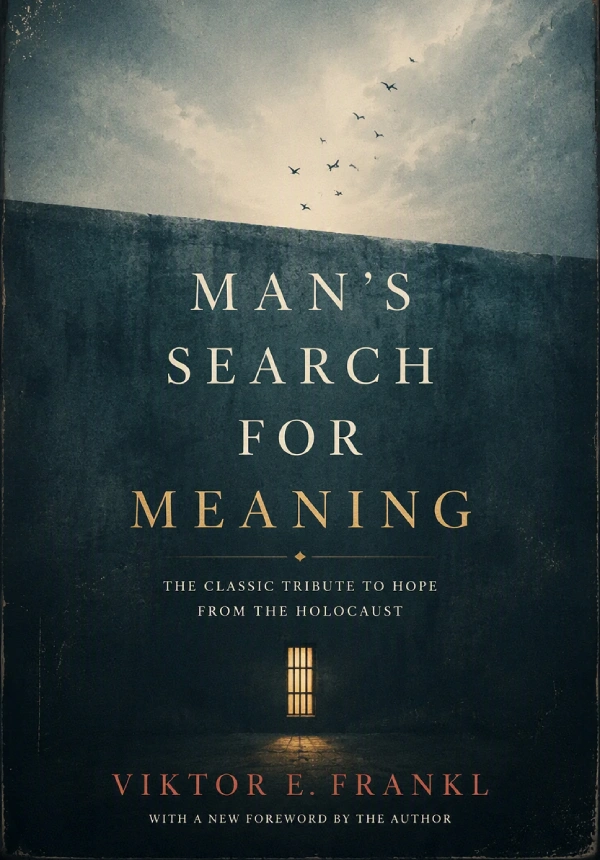
Viktor E. Frankl
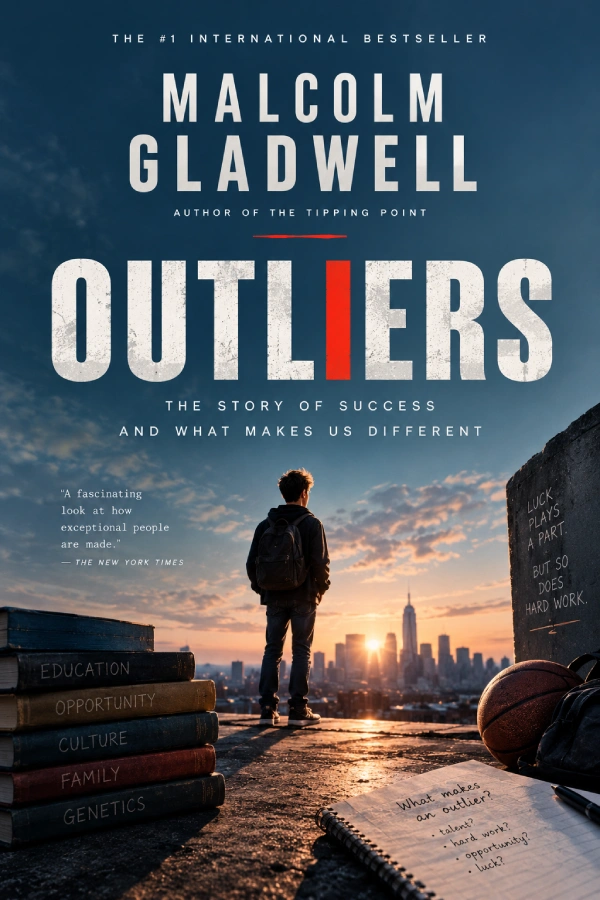
Malcolm Gladwell

Daniel Goleman

Mihaly Csikszentmihalyi
Explore the Kodama collection and discover books that cross paths with crimes, eras, people, ideas, and true stories.
Explore the collection