The invention of the Ferris Wheel.
Determined to build something to rival Paris's Eiffel Tower, engineer George Ferris designed the world's first Ferris Wheel specifically for the Chicago World's Fair.
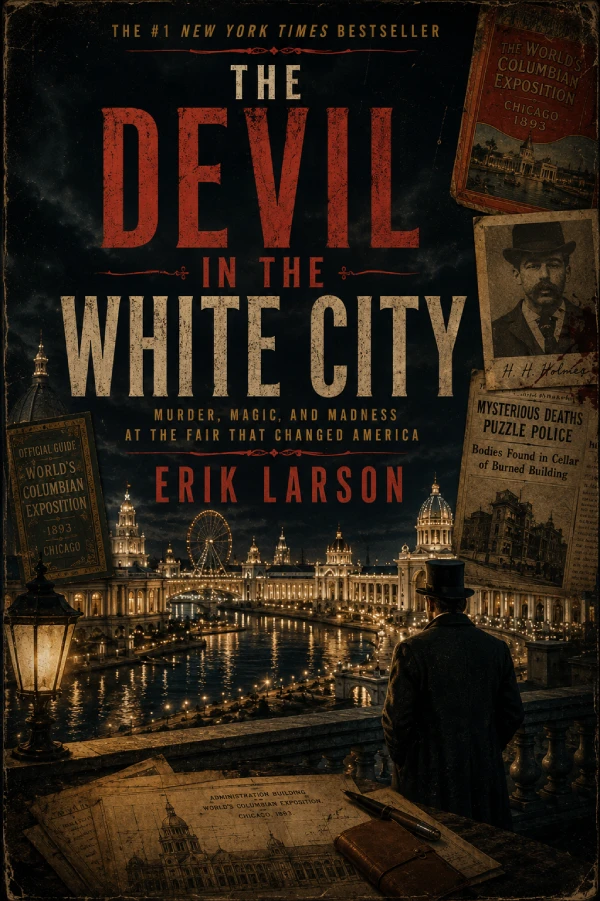
An extraordinary tale of two men: the visionary architect who built the monumental 1893 Chicago World's Fair, and the cunning serial killer who used the fairgrounds to lure his victims into a house of horrors.
Set against the backdrop of the Gilded Age, Erik Larson weaves together two parallel narratives: Daniel H. Burnham, the brilliant architect tasked with building the "White City" for the 1893 World's Columbian Exposition, and Dr. H. H. Holmes, a charismatic doctor who constructed his infamous "Murder Castle" nearby.
As Burnham battles tight deadlines, harsh weather, and financial crises to showcase American ingenuity to the world, Holmes exploits the chaos and influx of visitors to lure young women to their deaths, producing a historical narrative as thrilling as any mystery novel.
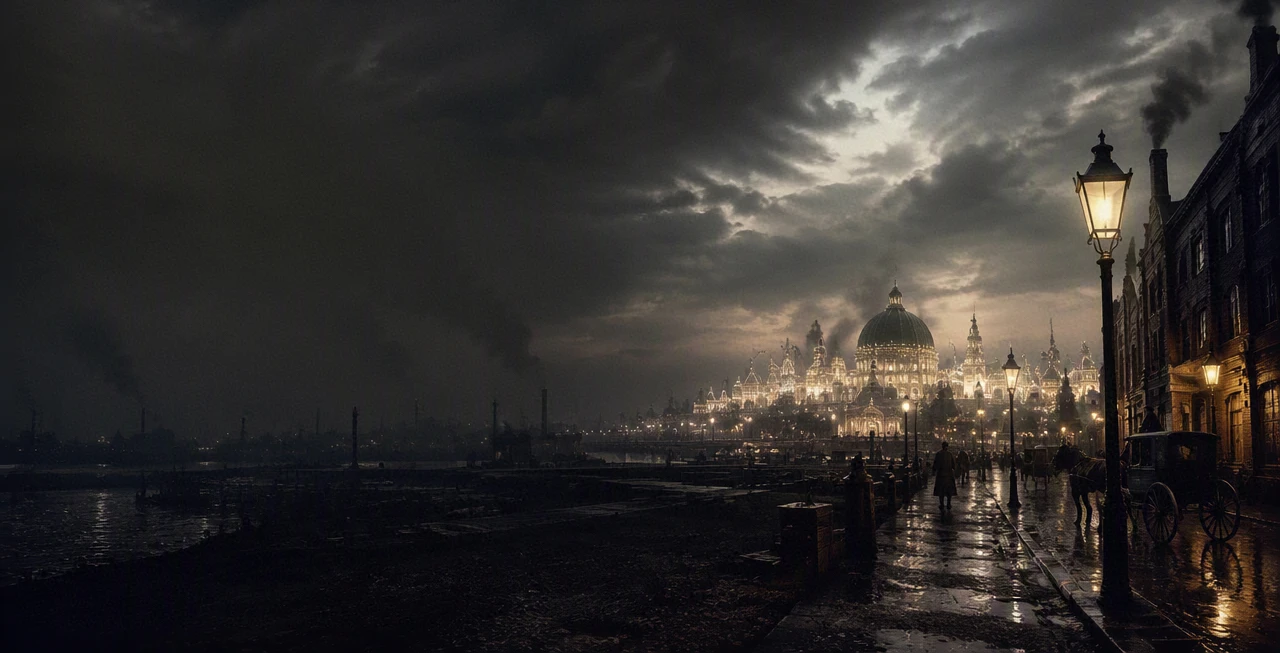
Beneath the grand grandeur of the White City lay a shadow darker than anyone imagined.KODAMA / EDITORIAL NOTE
Determined to build something to rival Paris's Eiffel Tower, engineer George Ferris designed the world's first Ferris Wheel specifically for the Chicago World's Fair.
Holmes designed a three-story hotel with secret passages, soundproof rooms, gas lines, and a basement chute designed to process his victims undetected.
Products like Cracker Jack, Pabst Blue Ribbon beer, Juicy Fruit gum, and electric light displays by Nikola Tesla made their grand debut at the fairgrounds.
Larson juxtaposes Burnham's theme of civic creation with Holmes's theme of destruction, contrasting the pinnacle of human progress with human evil.
The cinematic potential of Larson's masterpiece has attracted Hollywood's biggest names for over two decades.
Leonardo DiCaprio acquired the film rights to play H. H. Holmes, with Martin Scorsese joining as director to develop a feature film adaptation.
The project shifted to a high-budget limited series for Hulu executive-produced by Scorsese and DiCaprio, continuing development as a major screen adaptation.
An in-depth review and literary analysis of Erik Larson's "The Devil in the White City," exploring its balance of architecture, history, and true crime.
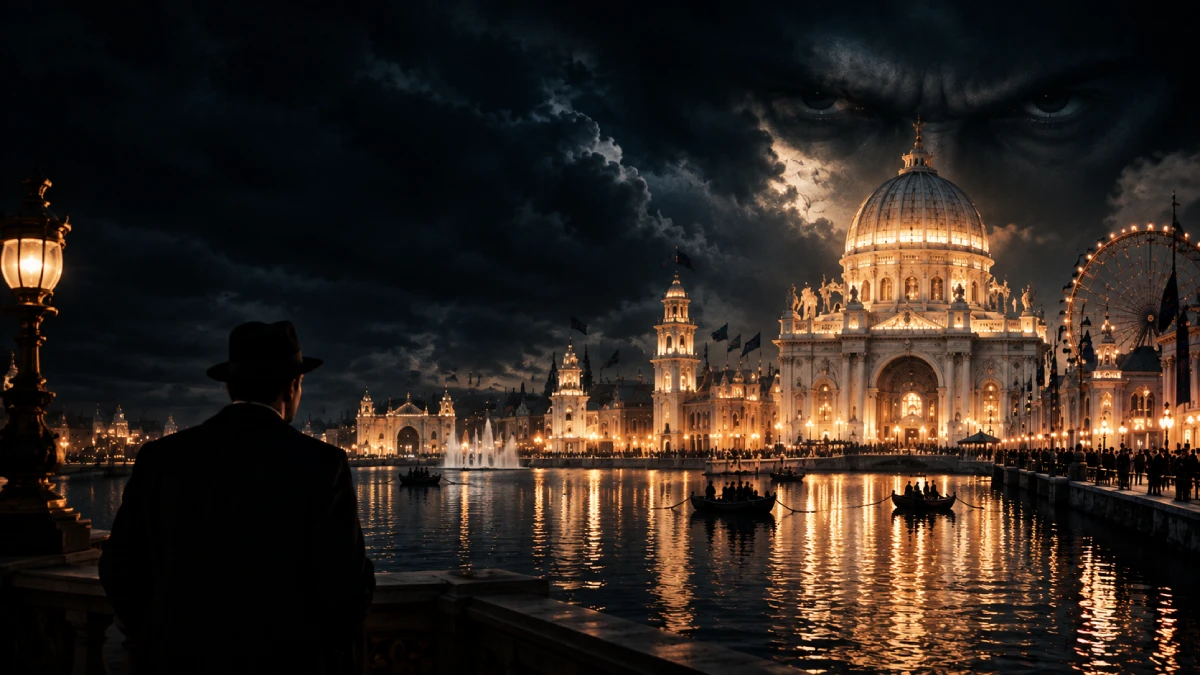
The Devil in the White City defined a new era of narrative non-fiction. By holding up a mirror to America's Gilded Age, Erik Larson demonstrated how light and darkness, innovation and tragedy, can unfold simultaneously in the same city.
If you decide to purchase the book through our link, you help Kodama continue bringing new stories, recommendations, and literary discoveries to the site.
Buy on Amazon The link may generate a small commission for Kodama, at no additional cost to you.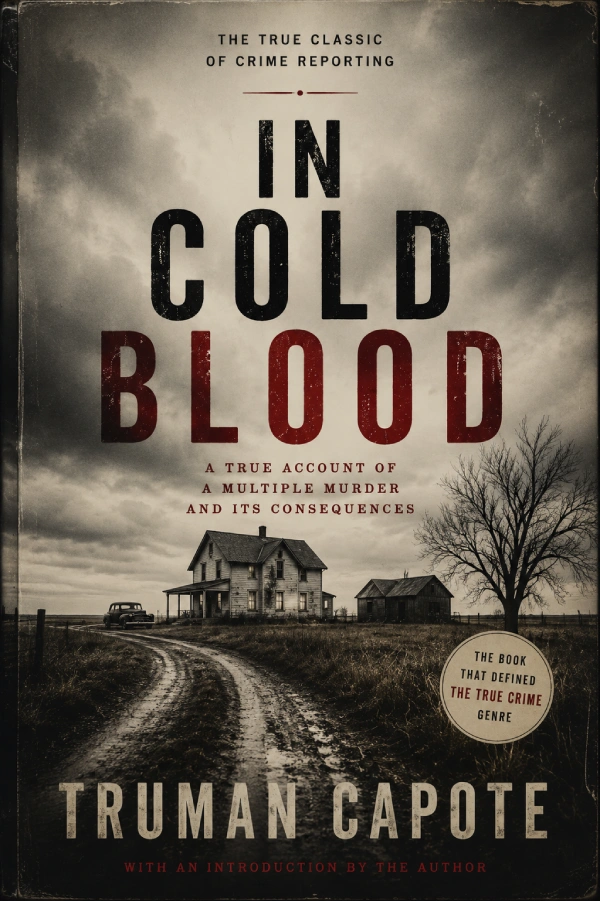
Truman Capote
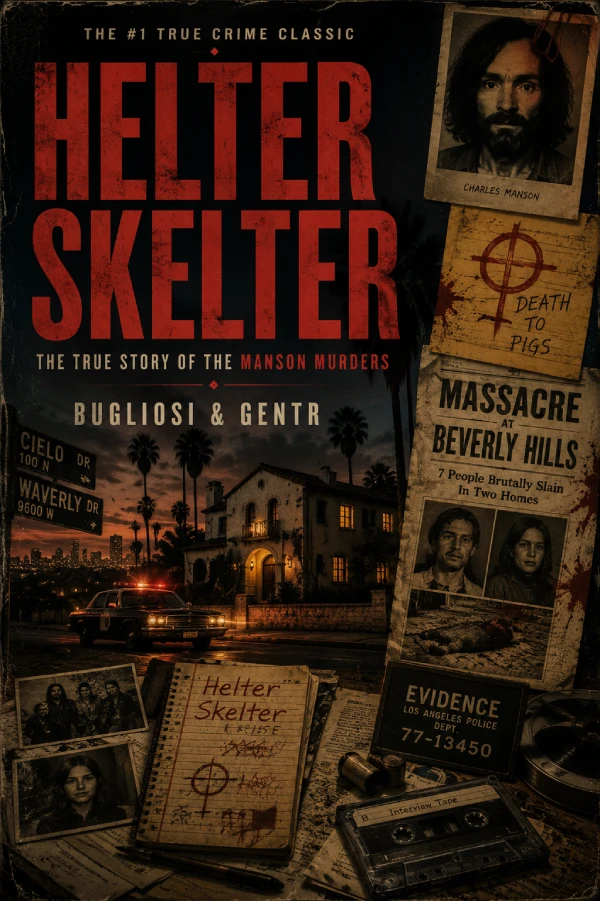
Vincent Bugliosi
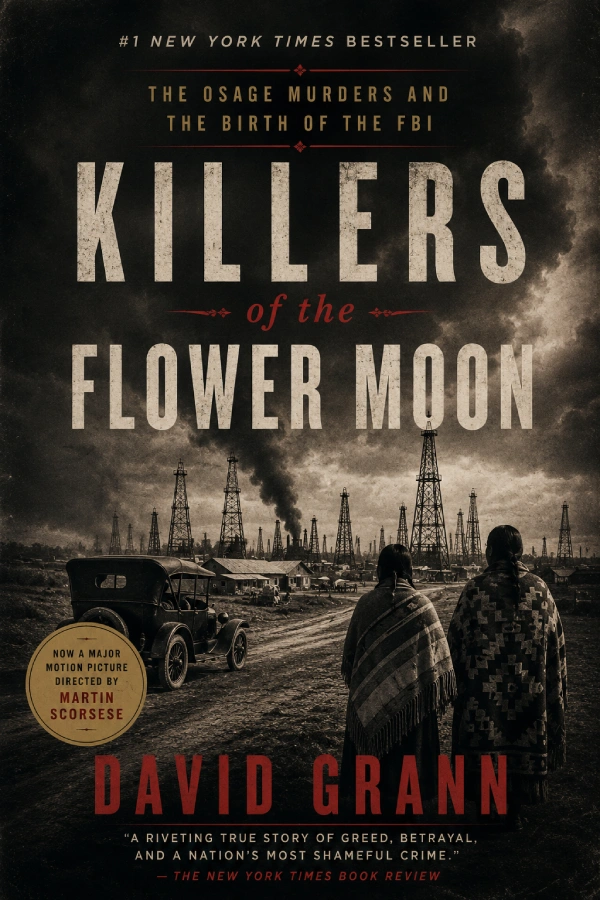
David Grann
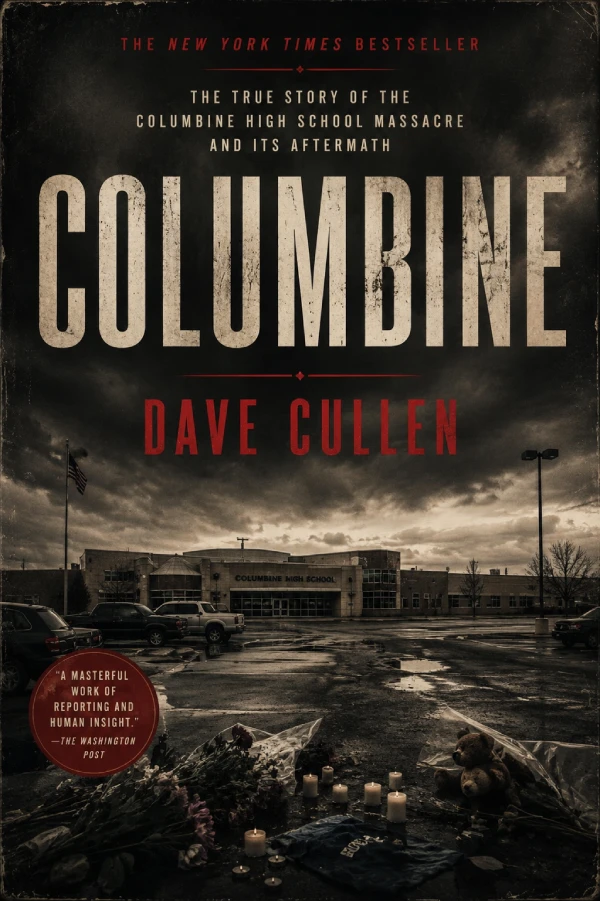
Dave Cullen
Explore the Kodama collection and discover books that cross paths with crimes, eras, people, ideas, and true stories.
Explore the collection